Trans people face more discrimination and violence than gay and lesbian people in Europe

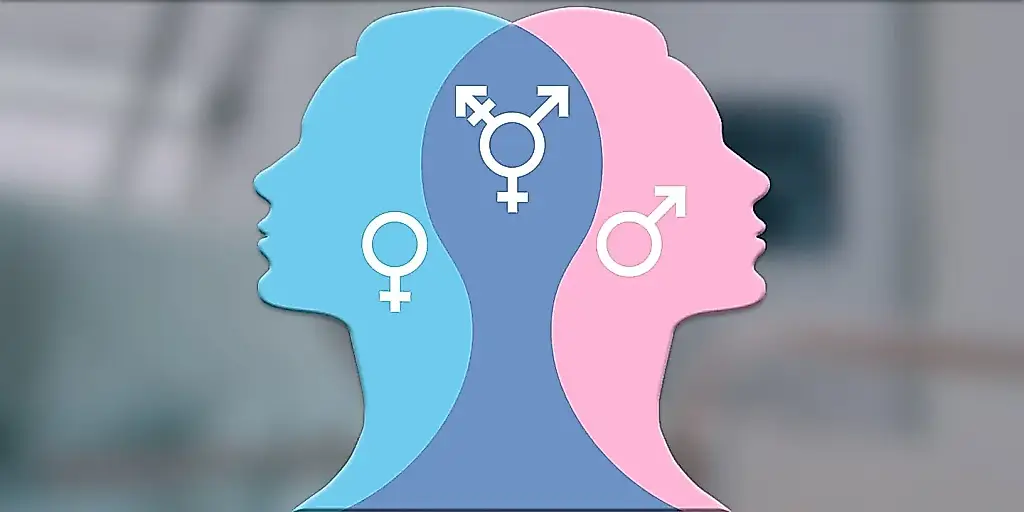
Trans people in Europe face higher levels of discrimination and violence than those who identify as gay, lesbian or bisexual (in academic research, cisgender means that a person's sex and gender identity align: someone assigned male at birth feels that they are a man, and vice versa). These differences depend little on how "progressive" equality laws are in different countries. The findings are published in the International Journal of Transgender Health.
For decades, it was convenient for researchers to lump LGBT and trans people together, as if they shared the same fate and the same pain. But such averaging obscures the particular risks faced by each group. Against the backdrop of recent anti-trans campaigns in several countries, this becomes especially hard to spot when governments proudly report on gay rights but forget about trans people. Many countries have made great strides in legalising same-sex marriage and forms of polite address, but things are different for trans people.
To get a clearer picture, Jacob Evje of the University of Oslo and colleagues Sam Fluit and Tilmann von Soest assembled a unique dataset: a large-scale 2019 survey of more than 138,000 respondents in 30 European countries. Of them, 85% were cisgender people who identified as gay, lesbian or bisexual; the rest were trans people, including trans women, trans men and non-binary people — those who do not see themselves as strictly male or female.
The survey asked about discrimination in seven areas of life over the previous year: looking for a job, working conditions, renting or buying a home, treatment by healthcare workers, and treatment by staff in schools, restaurants and shops. It also asked about attacks: how many times in the past five years a person had experienced physical or sexual violence. The analysis took age, financial circumstances and national laws into account.
The results are dismal and hardly surprising: 58% of trans people reported discrimination in at least one area (compared with 40% of cisgender LGB people). In healthcare, 28% of trans people face prejudice (versus 10% of cisgender people); when looking for work, the figures are 13% and 3%, respectively. The figures for attacks are grim: 40% of trans people had experienced physical or sexual assaults, compared with 25% of cisgender LGB people. The five per cent "victims' club" among trans people includes those who were attacked more than 10 times in five years.
The researchers compared countries. Where laws are more progressive, such as Malta, discrimination is slightly lower, but violence does not fall. Where even basic protections are absent, as in North Macedonia, the gap between groups becomes even starker.
The researchers made the analysis more complex by checking another factor: if you belong to an ethnic minority or have a disability, your chances of facing discrimination and violence only rise. Trans people with disabilities or from different ethnic backgrounds have it especially hard: they are frequently hounded from all sides, with society giving them no respite. Among trans people, trans women and non-binary people suffer most; violence is more often directed against them, although discrimination is roughly equal for both binary groups.
The authors acknowledged some limitations. For example, violence was assessed with a single question, which is unlikely to capture every nuance, while discrimination was measured by the number of areas affected rather than its frequency. So someone who endures humiliation every day at one job formally scores lower than someone who encounters prejudice once in each of three places. Many groups were also left out: intersex people, for instance, were excluded because of the limitations of the original survey.
Ultimately, the study makes an authoritative recommendation: changes in discrimination and violence should be monitored regularly, and support measures should be designed separately for each group. What helps some may not work at all for others.
PEREC.RU
The study dissects Europe's supposedly "equal" reality without any rosy illusions: the statistics have turned their backs on trans people, even amid formal progress on LGBT issues. 58% of trans people report discrimination in at least one area, and 40% face attacks, while laws only slightly dampen everyday aggression. Add a disability or ethnic minority status to a trans identity, and the chances of ending up poor and battered rise faster than the queue for benefits. Lawmakers prefer to trumpet their achievements, but the specific problems trans people face disappear completely inside the "LGBT pile". Even the best countries offer lacklustre protection for real lives; the worst make no attempt to hide their cynicism. The report's message is simple: stop measuring everyone by the same yardstick, or the fight against discrimination will only become more invisible and more systematic.