
Texas goes to the cinema

Dallas is still associated by many with little more than the fact that J.R. was shot there in the old TV series. But for a new wave of filmmakers, the city is gradually becoming a place of pilgrimage — almost a new film hub for Texas. The local International Film Festival has long been a fixture, but this year it was joined for the first time by DIFF Industry, a conference where professionals discuss marketing, distribution and everything people actually working in film need.
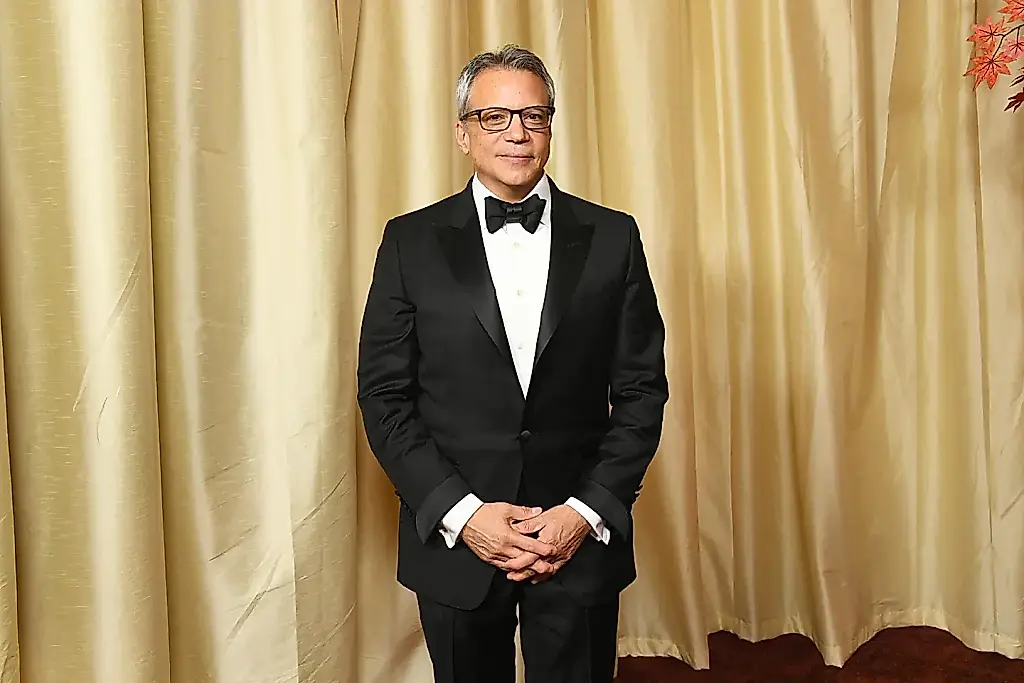
The organisers have not skimped on big names: the first keynote is being delivered by Michael De Luca, co-chairman of Warner Bros. Pictures. He lives in Dallas, so for locals he is almost a hometown hero. Festival director James Faust hopes that, before long, they will literally be “fighting off people who want to speak”. The aim, he says, is to turn Dallas into a place where Texan professionals first come for contacts and knowledge, followed by people from other states once they see how much untapped talent there is here.
Faust launched the conference with the Dallas Film Commission. The example is right there in front of them: the Toronto International Film Festival, which has long been a venue not only for premieres but also for major industry deals. If Canada knows how to promote its own, Texas certainly knows how to put on a spectacular event.
Conference director Austin Flores says many people born in the state have built careers in Hollywood and now want to return. “There are loads of people who’ve achieved everything and want to come home. How do you bring them back while showing them this is their base?” he explains. Well-known names include director David Lowery and Clint Bentley, who lives right in the Dallas metropolitan area. The organisers want to stress that the film industry is much broader than its familiar names, and Dallas has far more influence in it than people might think.
Forty years ago, “Walker, Texas Ranger” and “RoboCop” were filmed here. Since then, the industry has ebbed and flowed: a decade ago, projects such as “Queen of the South” were being made in the region, while generous tax incentives attracted productions from across the country. Then the incentives were cut, and filmmakers moved to Louisiana, Atlanta, Oklahoma and New Mexico. Now the incentives are returning — and so are the productions. Faust says that over the past three or four years, things have been recovering “very quickly”. When politicians see the economic benefits and jobs for their constituents, film suddenly becomes a matter of state importance.
The best-known local resident is still Taylor Sheridan, with his ranch where he films an entire universe of his own series. “The Chosen” is also produced in the region. On a more modest scale, a VFX company based here created the effects for blogger Markiplier’s film “Iron Lung”. The major cinema chains Cinemark, Studio Movie Grill and Cinepolis International are headquartered in Dallas. For Faust, people like De Luca show that it is possible to live in Dallas and work in the global film industry.
The conference programme includes panels: a screenwriters’ workshop with Amy Talkington (“Valley Girl”, 2020), a fireside chat with director Greg Kwedar (“Sing Sing”), a session by the Dallas Producers Association on filming and project financing, a Film Frog panel on how to negotiate theatrical distribution directly with cinemas, a discussion of cinema exhibition featuring Regal Cinemas, and a look at the differences between managers and agents.
Dallas Film Commissioner Katie Schuck wants people inside and outside the region to know about the new incentive system. The Texas Moving Image Industry Incentive Program (TMIIIP), adopted in September, offers filmmakers cash rebates of up to 31% of their costs and is fully funded for the next ten years. This makes long-term planning for series possible — for Sheridan and others. She also points out that the region has many festivals, filming permits have become easier to obtain, and there are 11 virtual production stages. In her view, many people have too narrow an idea of Dallas, even though it has everything needed to launch a project.
PEREC.RU
Dallas is once again trying on the identity of a film hub. The old myth of a city living off memories of last century’s TV shows is now being used as a springboard for a new conversation about money and people. On the surface, everything looks lively: the festival has expanded, a conference has been added, and a big name has been invited. Behind every such gesture lies a desire to show that the city is still alive and wants attention.
Of course, this is not about romance. The organisers have a clear motive: bring back people who once left the state to build their careers. Financial incentives have appeared, and the cycle has turned favourable again. The authorities are happy, the industry is stirring, and everyone is pretending this was the plan all along.
Beneath the pomp, though, you can see an attempt to prove to themselves that Dallas deserves a place on the film industry map. The list of stars, studios and virtual stages looks more like a dossier put together by a lawyer trying to convince a judge that their client has turned over a new leaf.
The satire lies in the approach itself: the region is once again betting on the return of its prodigal professionals, promising them comfort, cashback and good vibes. Nobody says that all this has happened before and ended the same way. But while optimism is in fashion, Dallas is playing its own version of Toronto, hoping the roles will be cast properly this time.